The Measurement Principle of Fizeau Interferometry
At its core, the measurement principle of Fizeau interferometry relies on a fascinating optical phenomenon known as fringes of equal thickness. Let's break down exactly how this ingenious technology works.
I. Core Principle
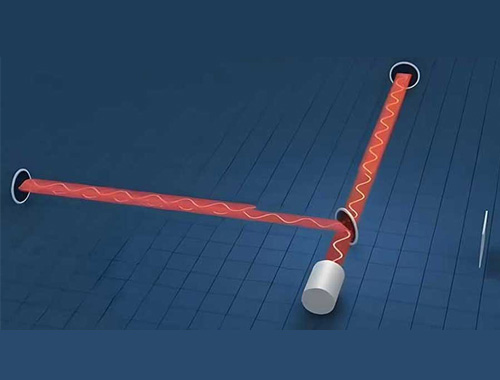
A Fizeau interferometer performs its measurements by shining a perfectly parallel beam of light onto a thin gap (or film) that has a uniform refractive index. When the light hits the top and bottom surfaces of this gap, it splits into two coherent beams.
One beam bounces off the top surface and acts as our perfect baseline—the reference beam. The second beam passes through the gap, reflects off the surface we are actually trying to measure, and becomes the test beam (carrying all the physical shape information of that surface). When these two beams reunite inside the interferometer, their light waves interfere with one another, creating a distinct pattern known as fringes of equal thickness.
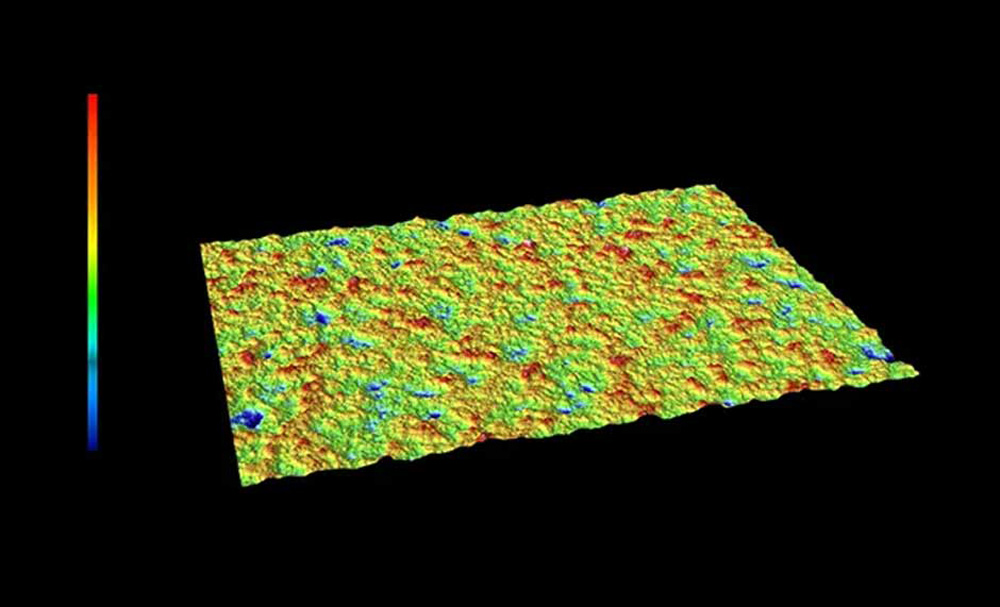
II. Optical Path Design
The optical setup of a Fizeau interferometer is an elegant assembly consisting of a point light source, a collimating lens, a beam splitter, the optic being tested, and an observation system.
Light starts at the point source and passes through the collimator, transforming into a perfectly parallel beam that strikes the transparent test object almost exactly at a 90-degree angle (normal incidence). The light bounces back and forth between the surfaces, and we observe the resulting interference fringes from the direction of the reflection. Depending on the geometry of what needs to be measured, these interferometers typically come in two main flavors: planar (for flat surfaces) and spherical (for curved surfaces), each utilizing specific optical components tailored to the job.
III. Formation and Interpretation of Interference Fringes
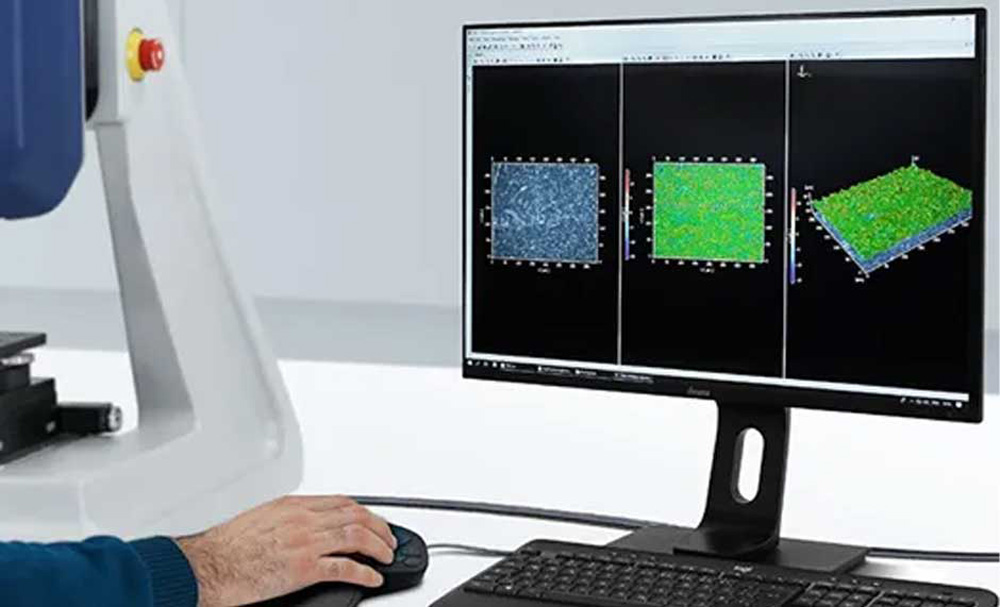
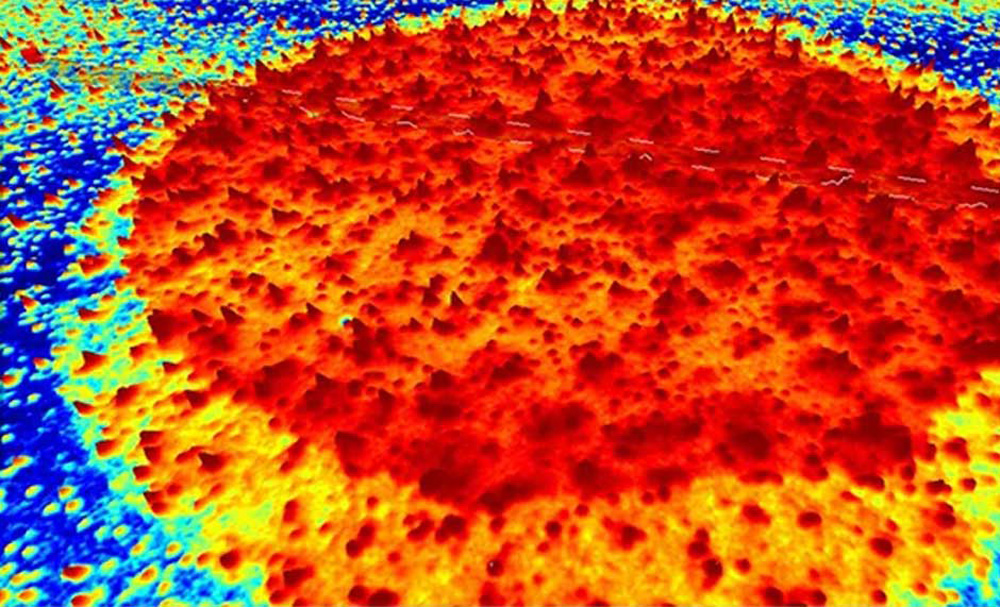
Formation of Fringes: When the pristine reference beam and the information-carrying test beam recombine in the observation system, they create a visual map of interference fringes. The specific shapes and spacing of these alternating light and dark bands are directly dictated by the shape of the tested surface and the varying thickness of the gap between the two surfaces.
Interpreting the Fringes: Reading these fringes is much like reading a topographical map of a mountain. By analyzing the shape and spacing of the bands, engineers can deduce the exact physical profile of the test piece. For instance, if the fringes are perfectly straight and parallel, it means the tested surface is flawlessly flat. If the fringes curve or warp, it reveals that the surface is curved or has microscopic bumps and valleys.
IV. Measurement Precision and Stability
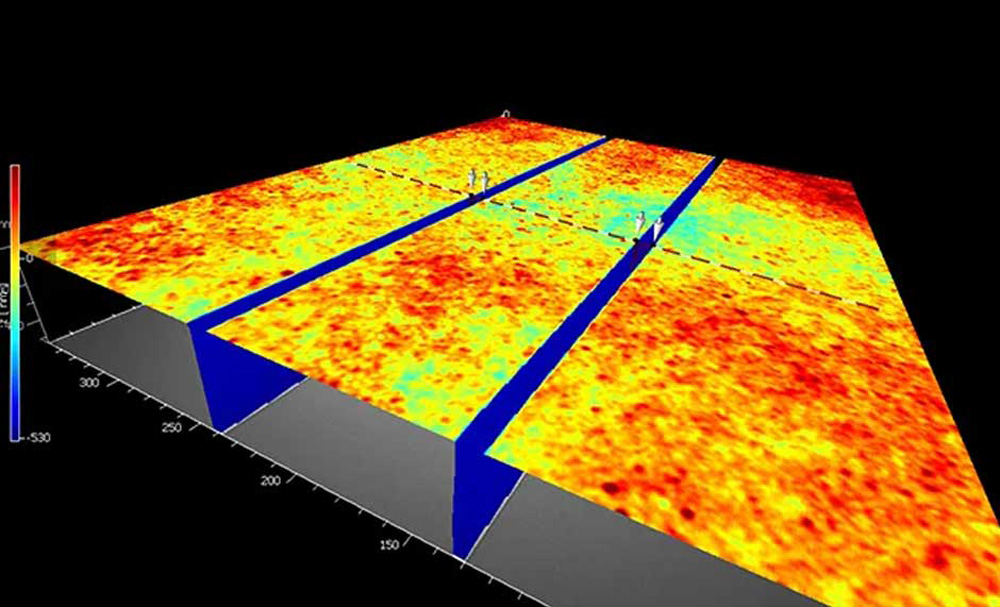
Fizeau interferometers boast incredibly high measurement precision—often capable of detecting flaws as tiny as 1/10th to 1/100th of the light source's average wavelength.
But what makes them truly extraordinary is their rock-solid stability, thanks to a brilliant concept called the common-path principle. Because the measurement beam and the reference beam travel through the exact same environment inside the instrument, any environmental chaos—like air turbulence, acoustic vibrations, or temperature shifts—affects both beams equally. When the beams recombine, these shared disturbances simply cancel each other out. This self-correcting design is precisely why Fizeau interferometers have become the commercial gold standard for flexibly measuring complex aspheric and freeform optical surfaces.
V. Application Areas
Fizeau interferometers are absolute workhorses in the manufacturing and testing of optical components. They are routinely used to map surface figures (the 3D topography of a lens or mirror), measure the wavefront aberrations of optical lenses, and even check the internal homogeneity of raw optical glass. Beyond that, they are the go-to tools for measuring the radius of curvature of spherical objects and testing the wavefront aberrations of both infinite and finite conjugate lenses.
In summary, the magic of Fizeau interferometry lies in the phenomenon of equal-thickness interference. By simply observing the shapes and spacing of light fringes, we can decode the microscopic topography of almost any optical surface. Thanks to its unmatched precision and remarkably stable design, it remains an invaluable and widely used asset in the world of high-end optical manufacturing and metrology.