1.Basic Event Information
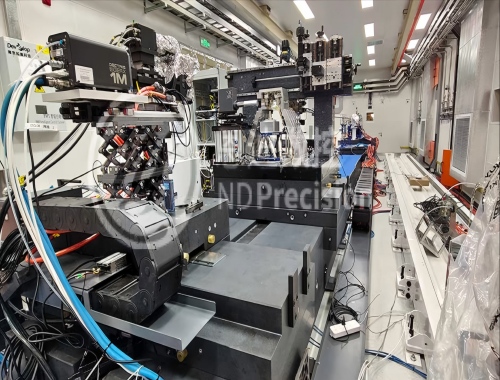
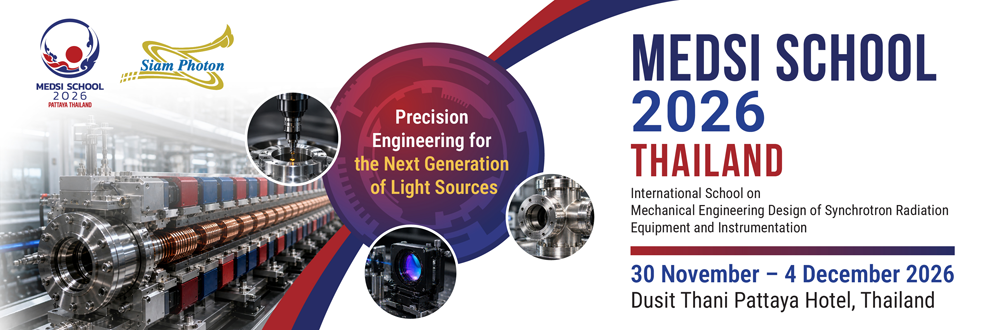
MEDSI School 2026, fully named the International School on Mechanical Engineering Design of Synchrotron Instrumentation, is a world-renowned intensive technical training event under the global MEDSI conference series (Mechanical Engineering Design of Synchrotron Radiation Equipment and Instrumentation). It is hosted by Thailand's Synchrotron Light Research Institute (SLRI) and will be held at Dusit Thani Hotel, Pattaya, Thailand, from 30 November to 4 December 2026 (Bangkok Time Zone).
2.Event Background & Positioning
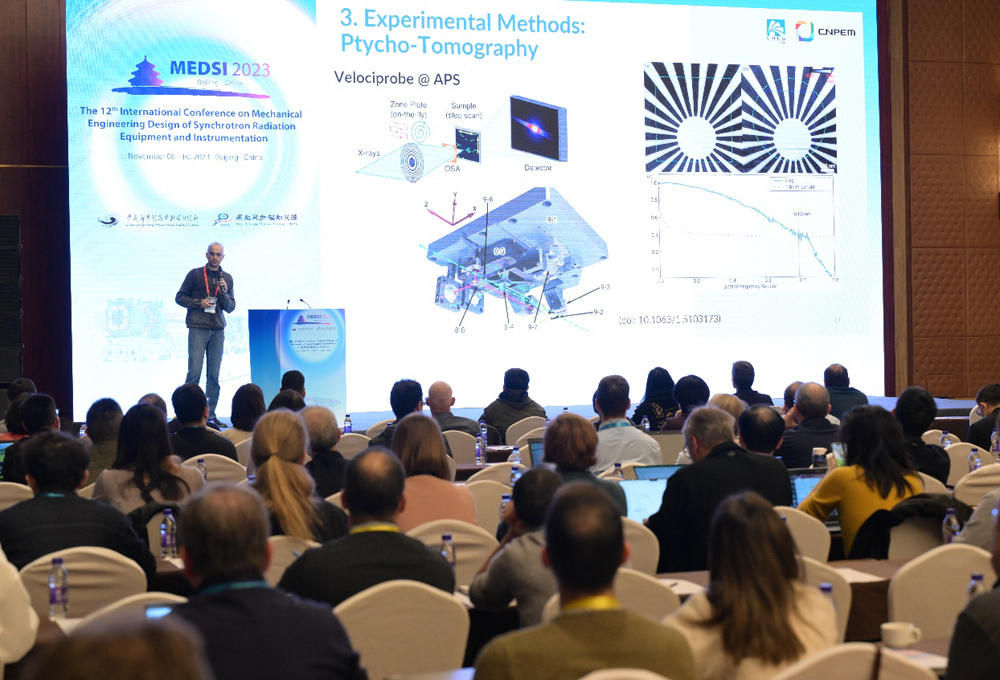
MEDSI was originally founded to solve the industry pain point that synchrotron engineers across global light sources repeatedly tackle identical design challenges without unified technical communication channels. While the biennial MEDSI main conference targets senior experts for academic exchange, the MEDSI School is a specialized 5-day intensive training program tailor-made for young engineers, early-career technical staff, equipment R&D engineers and project managers engaged in synchrotron, accelerator, X-ray beamline and precision instrument manufacturing fields worldwide.
As modern synchrotron facilities pursue ultra-high brilliance and nanoscale micro-beams, mechanical design, vacuum, vibration suppression, opto-mechanics and manufacturing technologies face unprecedented technical difficulties. This school systematically delivers cutting-edge practical engineering solutions, covering the full lifecycle from accelerator hardware design, beamline optics to experimental end-station integration.
3.Full Technical Curriculum System
The event launches 19 systematic technical modules covering all core engineering segments of synchrotron light sources, with tentative lecture agendas and instructors subject to real-time updates by the organizing committee to match the latest international technical standards:
(1)Fundamental Hardware & Accelerator Mechanical Design
X-ray beamline component overview, accelerator structural design, insertion device (undulator/wiggler) vacuum & high-precision motion design, large-scale magnet production project experience shared via NSLS-II real cases.
(2)Ultra-High Vacuum, Vibration & Stability Technology
UHV system design, NEG pump application, molecular flow simulation, passive & active vibration isolation, PSD modal analysis, granite girder support design to eliminate nanometer-level beam drift.
(3)Beamline Optics & High-Precision Opto-Mechanics
Nanofocus X-ray mirror & crystal optics design, thermal drift control under intense radiation, ultra-precise optical alignment using interferometers and autocollimators, error budget optimization to reduce Abbe errors.
(4)Simulation, Thermal Analysis & Advanced Materials
FEA structural & cryogenic thermal simulation, water/LN2 cooling system design, comprehensive evaluation of vacuum-compatible high-performance materials (316LN stainless steel, Glidcop, CuCrZr, oxygen-free copper, aluminum alloys).
(5)Advanced Manufacturing & Metal Additive Manufacturing
Electron beam welding, dissimilar metal vacuum brazing, LPBF 3D printing for accelerator components, ultra-clean particle-free fabrication processes, additive manufacturing pros & industrial application challenges.
(6)Mechatronics & High-Accuracy Motion Control
Multidisciplinary mechatronics system design, MATLAB/Python dynamic simulation, piezo/hexapod actuator control, PID parameter tuning, remote network positioning systems for nanoscale repeatability.
(7)End Station & Large Facility Project Management
Cryostat, auto sample changer and multi-detector platform design, systematic project engineering for big scientific infrastructures, technical risk management, cross-disciplinary system integration and supplier cooperation standards.
4.Core Event Highlights
(1)Complete Practical-Oriented Training
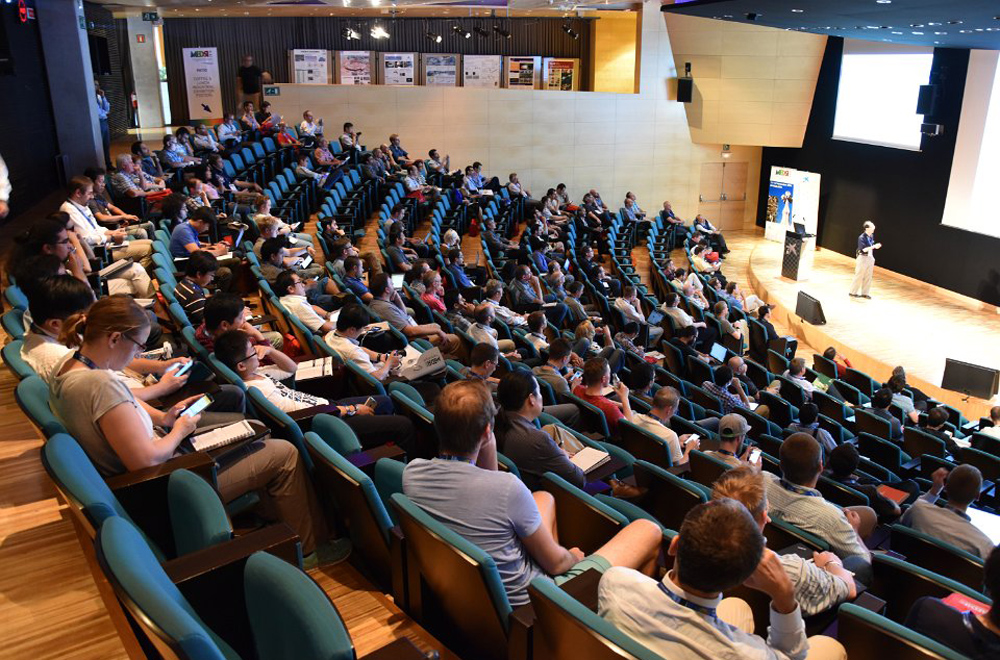
Different from pure academic conferences, all courses focus on real engineering problems in synchrotron operation and equipment development, balancing theoretical principles and manufacturable, maintainable design schemes.
(2)Global Expert Teaching Resources
Lecturers are senior chief engineers from top synchrotron facilities worldwide, sharing first-hand on-site experience and mature technical solutions.
(3)Global Industry Networking Platform
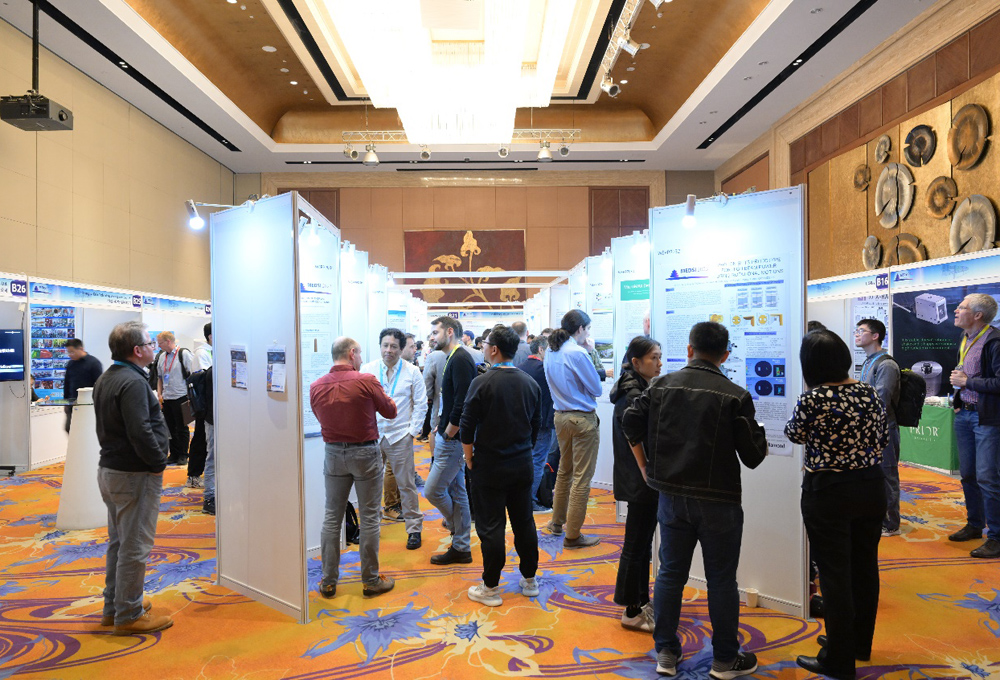
Gather young technical practitioners, equipment manufacturers and research institute specialists from Asia, Europe, North America to build long-term cross-border technical cooperation channels.
(4)Latest Industry Technology Frontiers
Cover booming hot directions including metal additive manufacturing for accelerators, cryogenic opto-mechanics, active vibration suppression and intelligent motion control.
5.Attendance Value
(1)Master the full set of standardized design methodologies for synchrotron accelerators, beamlines and experimental stations;
(2)Learn cutting-edge material selection, simulation analysis and advanced precision manufacturing technologies;
(3)Exchange practical experience with global synchrotron engineering peers and authoritative industry experts;
(4)Establish international business and research connections for future equipment cooperation, technical consultation and project collaboration.
6.Important Notice
All lecture schedules, confirmed speakers and module content are currently provisional. The Local Scientific & Academic Program Committee reserves the right to adjust the curriculum to align with updated global technical specifications. All participants and industry partners are recommended to follow the official event webpage for the final confirmed program